Choosing Your First (or Best) Blazer: The Color and Cut That Works Hardest
A blazer is the single most transformative layer in a wardrobe — but only if you choose the color and cut that actually work with your life. The blazer edit on choosing well: the case for the versatile blazer, the color-and-cut decoder and the fit-and-styling notes.
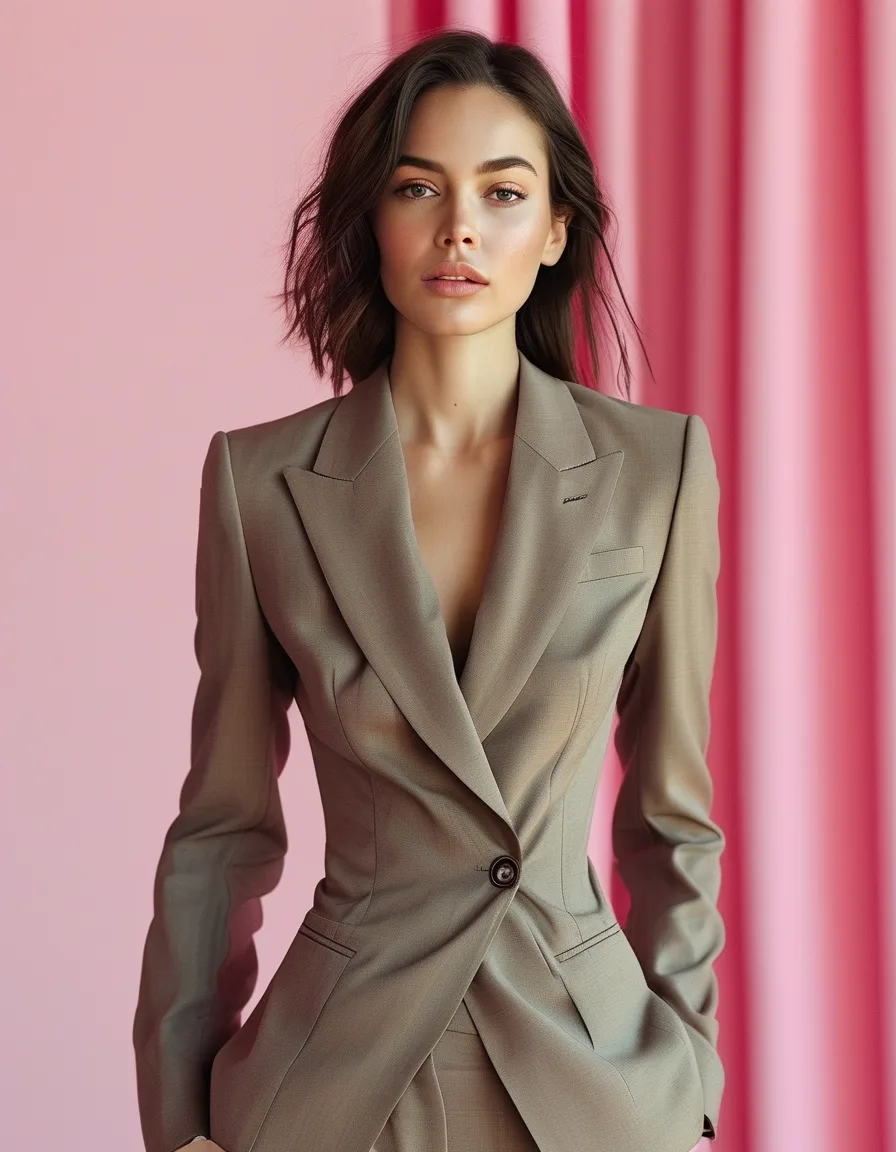
The Versatile-Blazer Case
Why the right blazer works so hard: the most-transformative-layer (the blazer elevating almost any outfit — the instant-polish; the how-to-wear-a-blazer foundation), the depends-on-color-and-cut (the blazer’s usefulness resting on the right color-and-cut — the choose-well; the works-with-your-life), the the-versatile-workhorse (the one great blazer worn everywhere from the blazer-outfits chapter — the office-to-weekend; the blazer-weekend-styling), the elevate-anything (the blazer over jeans, dresses and tailoring — the elevate-everything; the the-third-piece), and the reframe (the blazer as the most-transformative layer when the color-and-cut fit your life).

The Color-and-Cut Decoder
Choosing blazer color and cut: the the-versatile-colors (the black, navy, camel, gray or a considered neutral — the works-with-everything; the versatile-first-blazer), the the-cut-for-your-use (the tailored-classic for work, relaxed for weekend from the blazer-outfits chapter — the match-to-life), the the-fit-and-shoulder (the shoulder fit as the make-or-break from the blazer-fit-checkpoints chapter — the fit-first; the the-key-checkpoint), the the-single-vs-double-breasted (the single-breasted versatile, double-breasted structured — the style-choice), the the-fabric-for-season (the fabric matched to season from the blazer-fabric-seasons chapter — the year-round-consideration; the linen-blazer-summer option), the the-relaxed-vs-structured (the relaxed for effortless, structured for polish — the vibe-choice), and the the-first-blazer-pick (the one versatile neutral in a flattering cut — the start-here).
The Fit-and-Styling Notes
Fitting and styling the blazer: the the-fit-checkpoints (the shoulder, sleeve and length checks from the blazer-fit-checkpoints chapter — the fit-matters-most; the tailor-if-needed), the tailor-for-perfection (the blazer tailored to fit — the transformation; the fit-elevates), the style-it-many-ways (the blazer over jeans, dresses, tailoring from the blazer-outfits-for-every-occasion chapter — the versatility-in-practice), the the-unexpected-styling (the blazer styled unexpectedly from the unexpected-blazer-styling chapter — the fresh-takes), the the-statement-blazer (the bold or statement blazer as a second from the statement-blazers chapter — the personality-layer), the weekend-and-casual (the blazer dressed down from the blazer-weekend-styling chapter — the off-duty-polish), and the frame (the blazer chosen by versatile-color, life-matched-cut and shoulder-fit, then styled-everywhere — the hardest-working layer. Choose a versatile neutral (black, navy, camel, gray) in a cut matched to your life, with the shoulders fitting perfectly (tailor the rest) — then style it over jeans, dresses and tailoring: the most transformative layer, chosen to work hardest.
A blazer is the single most transformative layer in a wardrobe — but only if you choose the color and cut that actually work with your life. Choose a versatile neutral (black, navy, camel, gray) in a cut matched to your use (tailored-classic for work, relaxed for weekend), with the shoulders fitting perfectly — the make-or-break checkpoint (tailor the rest). Consider single vs double-breasted and the fabric for your season. Then style it many ways — over jeans, dresses and tailoring — and add a statement blazer as a second. The most transformative layer, chosen to work hardest.
Keep Reading
This article is for general styling and informational purposes only. Trends, sizing, availability and pricing may vary by brand and season.