The Blazer by Fabric: Wool, Linen, Knit and the Year-Round Rotation
The blazer conversation obsesses over cut while fabric quietly decides everything — the season, the register, the drape, whether it’s worn twice a week or twice a year. The blazer-fabric guide: the principle, the fabrics and the rotation.
The Principle
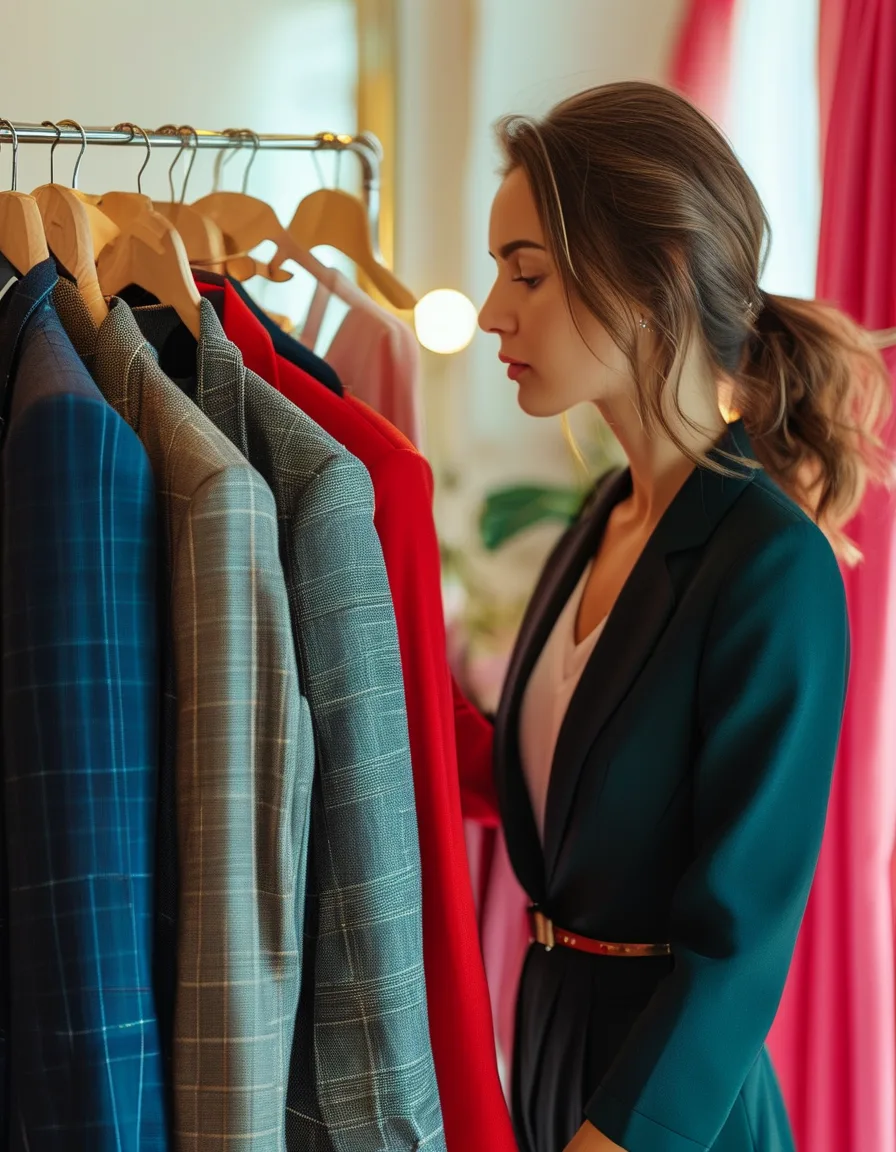
Fabric before cut: the season determinant (the same cut in wool versus linen being two different garments — the wearing-months set by fiber per the seasonal logic), the register signal (the fabric carrying formality — the structured wool reading boardroom, the washed linen reading vacation per the formality logic; the cocktail-fabric lesson transferring), the drape-and-structure axis (the crisp-tailored versus the fluid-relaxed being fabric first — the knit blazer’s whole personality per the knit logic), the wrinkle-and-care reality (the fabric deciding the maintenance life — the travel-compatibility per the packing logic), and the buying reorder (the fabric chosen for the LIFE — the cut refined second per the buying logic).
The Fabric Guide
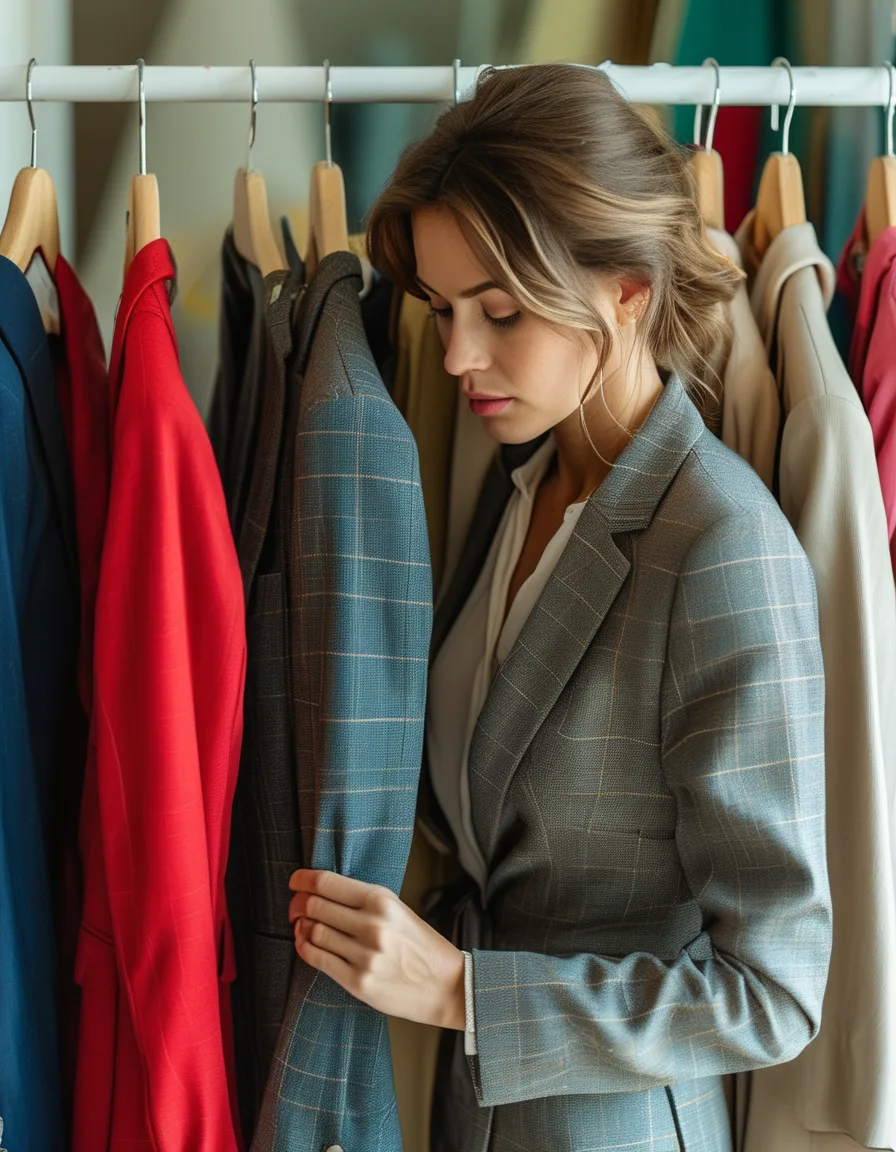
Blazer by blazer: the wool-and-wool-blend classic (the year-round workhorse — the structured authority per the workwear logic; the lightweight tropical wools being the secret three-season tier; the quality tells in the hand per the quality logic), the linen summer blazer (the breathable structure — the creases embraced as the aesthetic per the linen logic; the linen-blend compromise for the crease-averse; the summer-suit separates per the summer logic), the knit blazer (the cardigan-blazer hybrid — the commute-proof stretch per the commute logic; the comfort-authority alliance; the WFH-era winner per the video-call logic), the cotton-twill casual (the unstructured weekend blazer — the machine-washable honesty tier), the velvet-and-evening tier (the occasion blazer per the evening logic — the winter-event texture), the tweed-and-boucle texture pieces (the fall statement per the texture logic — the high-low pairing power per the high-low logic), and the technical-stretch modern (the performance blazers for travel per the travel logic).
The Rotation Build
The four-season blazer wardrobe: the core three (the year-round wool in navy-or-charcoal per the navy logic — the linen for summer, the knit for comfort days; the three fabrics covering the calendar), the fit constants (the shoulder-fit law across ALL fabrics per the fit logic — the fabric changing, the checkpoints not), the seasonal swaps (the blazers rotated with the closet per the seasonal-swap logic — the velvet surfacing for the holidays), the care by fabric (the wool brushed-and-rested — the linen washed gentle, the knit depilled per the respective care logics; the dry-clean honesty per fabric), the cost allocation (the wool meriting the investment — the linen-and-knit at mid-tier per the investment logic; the cost-per-wear by season length), the styling range per fabric (the wool’s suit-to-jeans span — the linen’s shorts-to-trousers, the knit’s athleisure-to-office per the styling logics), and the closing frame (the blazer wardrobe built on fiber — the three fabrics, the year covered, the register dialed by cloth; the cut mattering, the fabric deciding). Wool for always, linen for heat, knit for comfort: the blazer, rotated by fiber.
Fabric decides the blazer: the same cut in wool versus linen is two garments. Build the core three — a year-round navy wool (the investment), a summer linen with creases embraced, a knit for commute-and-comfort days — with the shoulder-fit law constant across all. The register is dialed by cloth: structured wool for the boardroom, washed linen for vacation, velvet for the holidays.
Keep Reading
This article is for general styling and informational purposes only. Trends, sizing, availability and pricing may vary by brand and season.